Nuclear Medicine
Nuclear medicine uses a small amount of radioactive medication, called a radiopharmaceutical, to create images that show how organs, bones and tissues are functioning. It can help identify changes that may not be visible on other types of medical imaging.
Available At
What does nuclear medicine examine?
Nuclear medicine can be used to assess many areas of the body, including the bones, heart, kidneys, thyroid, lungs and digestive system. Unlike imaging that mainly shows the structure of the body, nuclear medicine can provide information about how a particular organ or tissue is working.
Why might I need a nuclear medicine scan?
Your doctor may refer you for a nuclear medicine scan to investigate bone pain, infection, blood flow, organ function or an abnormality seen on another examination. It can also be used to monitor a known condition or assess how well a treatment is working.
What can I expect?
The radiopharmaceutical is most commonly given through a small injection into a vein, although some examinations use a medication that is swallowed or inhaled. You may then need to wait while the medication travels to the area being examined.
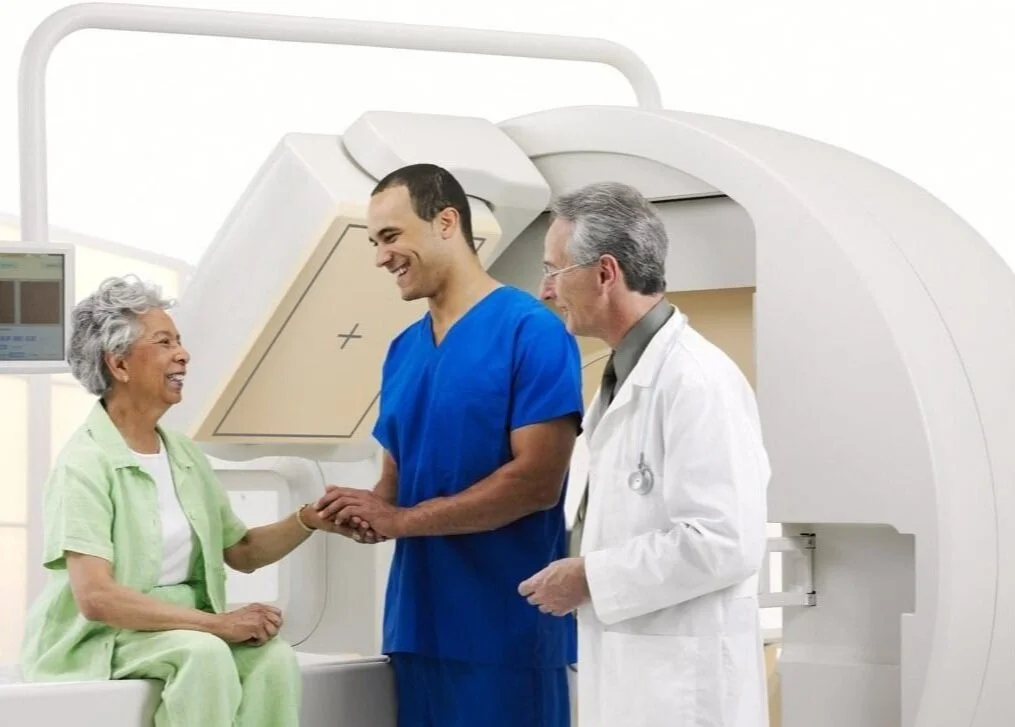
When it is time for the images, you will lie or sit near a special camera that detects the radiopharmaceutical in your body. The camera does not produce radiation, but records the small amount coming from the medication. You will need to keep still while the images are taken. Some examinations may also include low-dose CT images.
How should I prepare?
Preparation depends on the type of nuclear medicine examination. You may need to fast, drink water, temporarily avoid certain medications or have a blood test before your appointment. Do not stop any prescribed medication unless you have been specifically instructed to do so.
Please tell our team before your appointment if you are pregnant or think you may be pregnant, are breastfeeding, have diabetes, or take regular medications. It is important that we know about breastfeeding because specific precautions may be required.
Benefits of nuclear medicine
Nuclear medicine provides information about how organs and tissues are functioning. This can help your doctor detect disease, assess the extent of a condition, plan treatment or monitor your progress.
FAQs
-
Nuclear medicine uses a small amount of radioactive medication. The amount is selected for the examination and the radiation exposure is kept as low as possible while obtaining the information your doctor needs.
-
Appointment times vary considerably. Some scans are completed within an hour, while others require a waiting period of several hours or images on more than one day. Our bookings team will explain how long to allow.
-
For some examinations, you may be given temporary instructions about close contact with pregnant people or young children. Please follow the specific advice provided by our nuclear medicine team.
-
Please tell us before your appointment if you are breastfeeding. Depending on the radiopharmaceutical used, you may need to pause breastfeeding for a specific period or make other arrangements.
-
Most people do not feel any different after the radiopharmaceutical is given. The injection is similar to a blood test or other intravenous injection.